
what are you looking for?
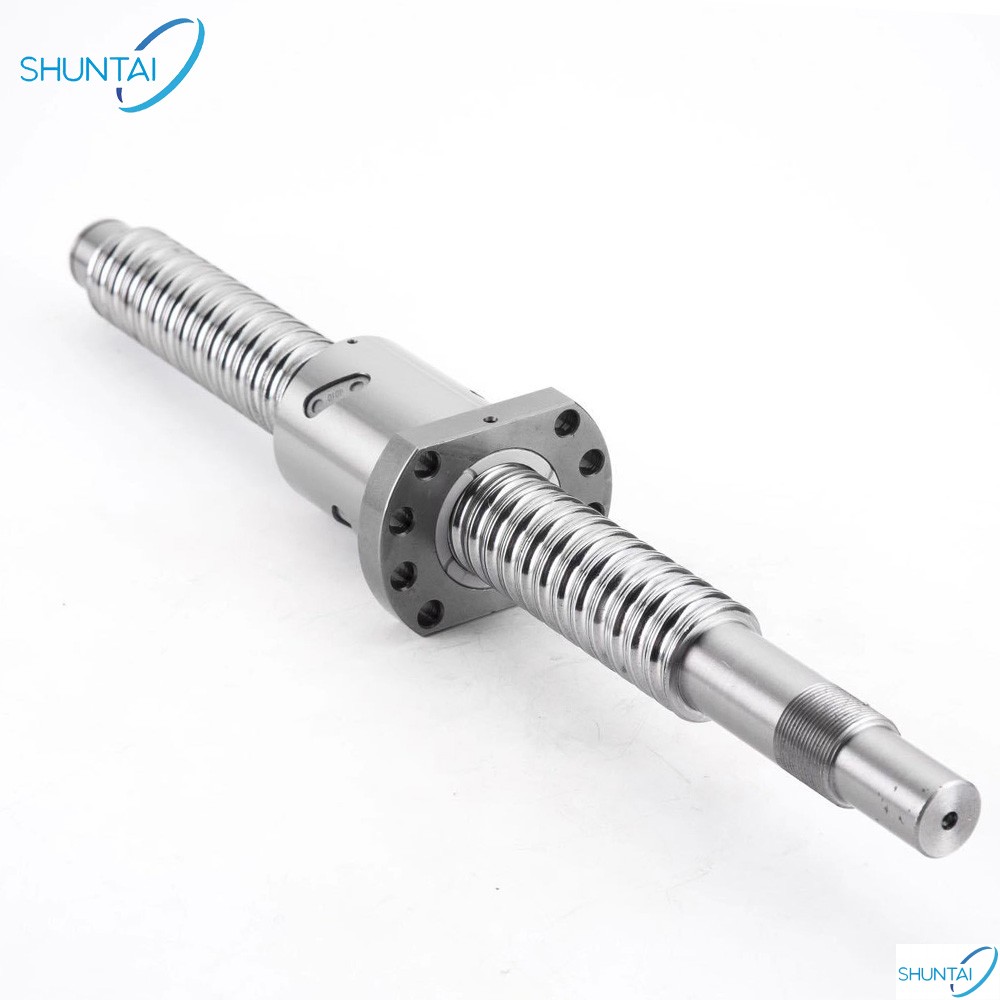
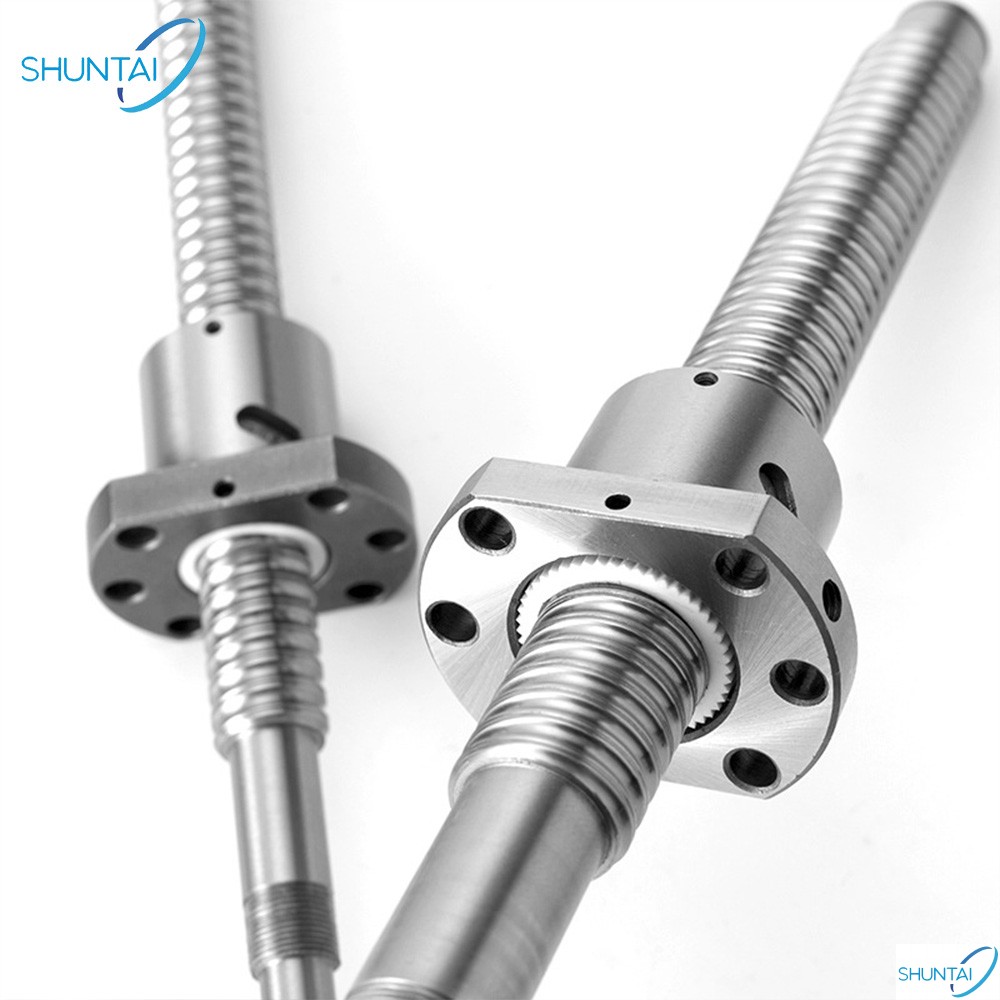
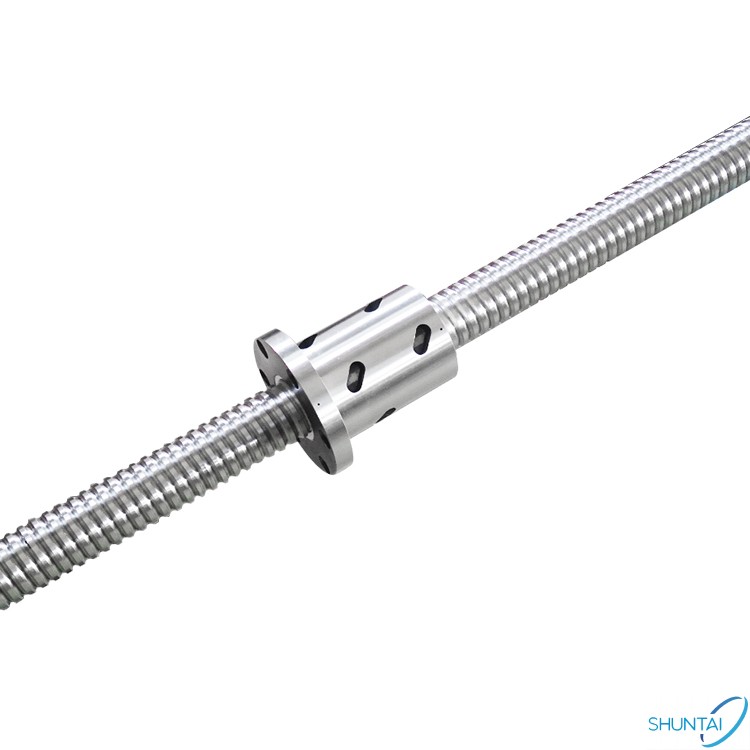
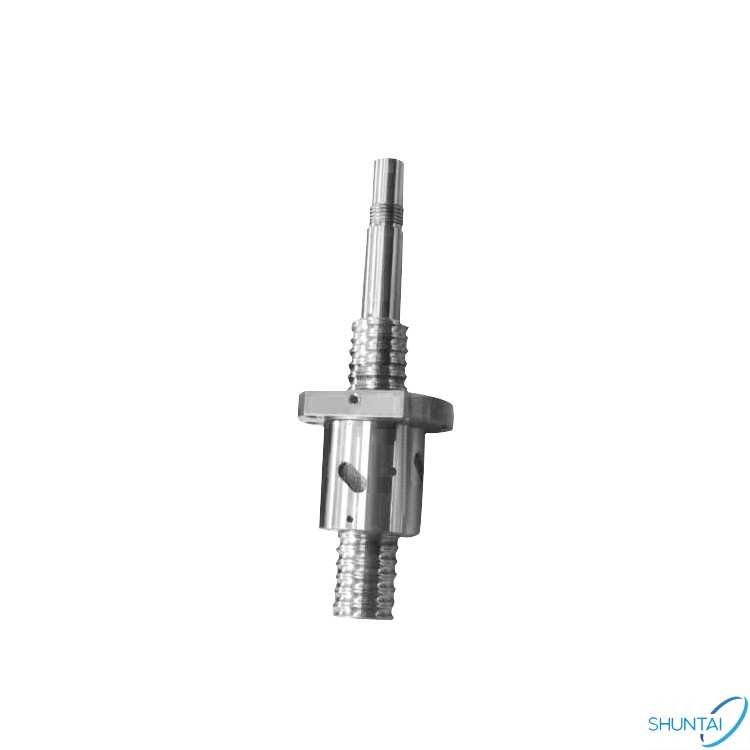
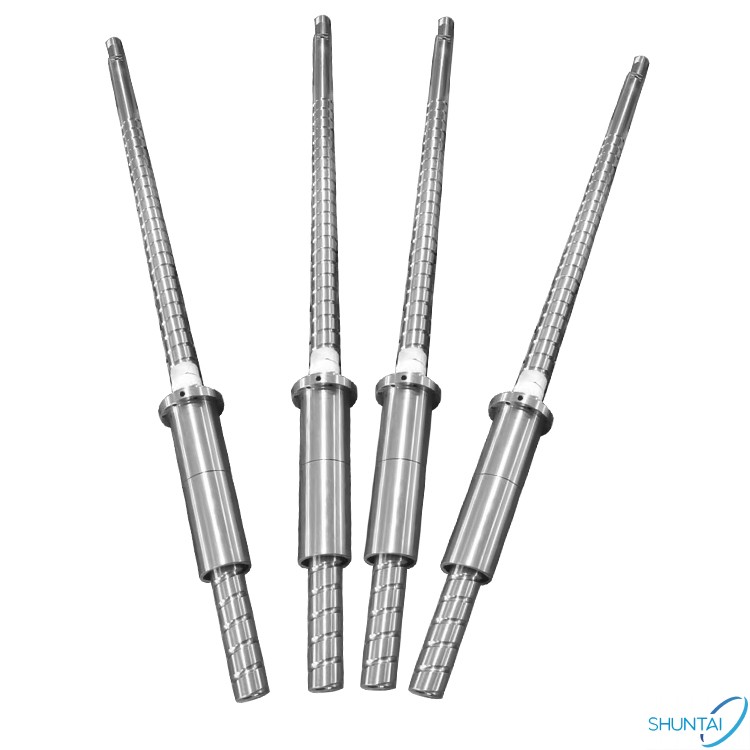
A ball screw is a device that converts rotary motion into linear motion and is commonly used in industrial machinery. It consists of a ball thread and a ball recirculating track, and the conversion of rotational motion and linear motion is realized by rolling the balls between the ball thread and the ball recirculating track
| Product name | Ball screw |
| Model Number | SFJ |
| Brand Name | SHUNTAI |
| Material | GCr15 Bearing steel, Steel, Bronze |
| Manufacturing Process | Rolled screw, ground screw |
| Feature | Long Operating Life |
| Delivery | 7 Days |
| Shipping Port | Shanghai |



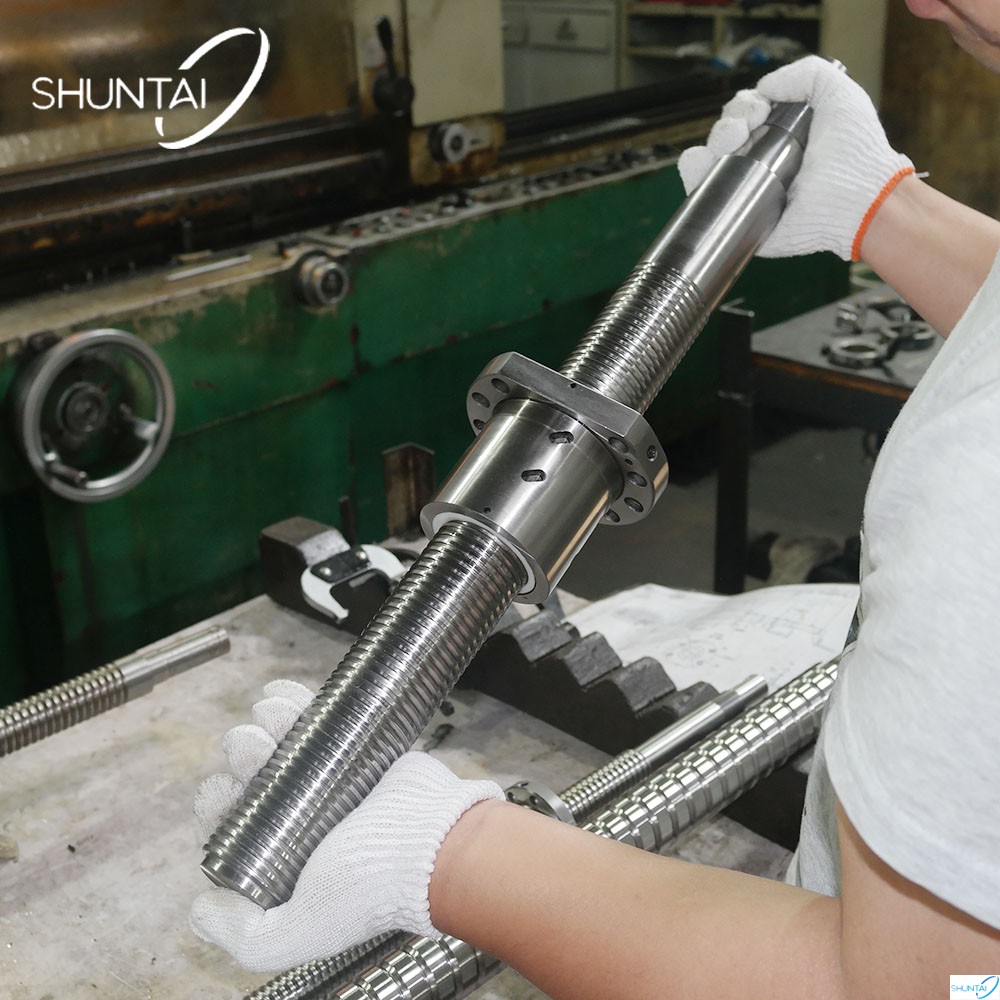
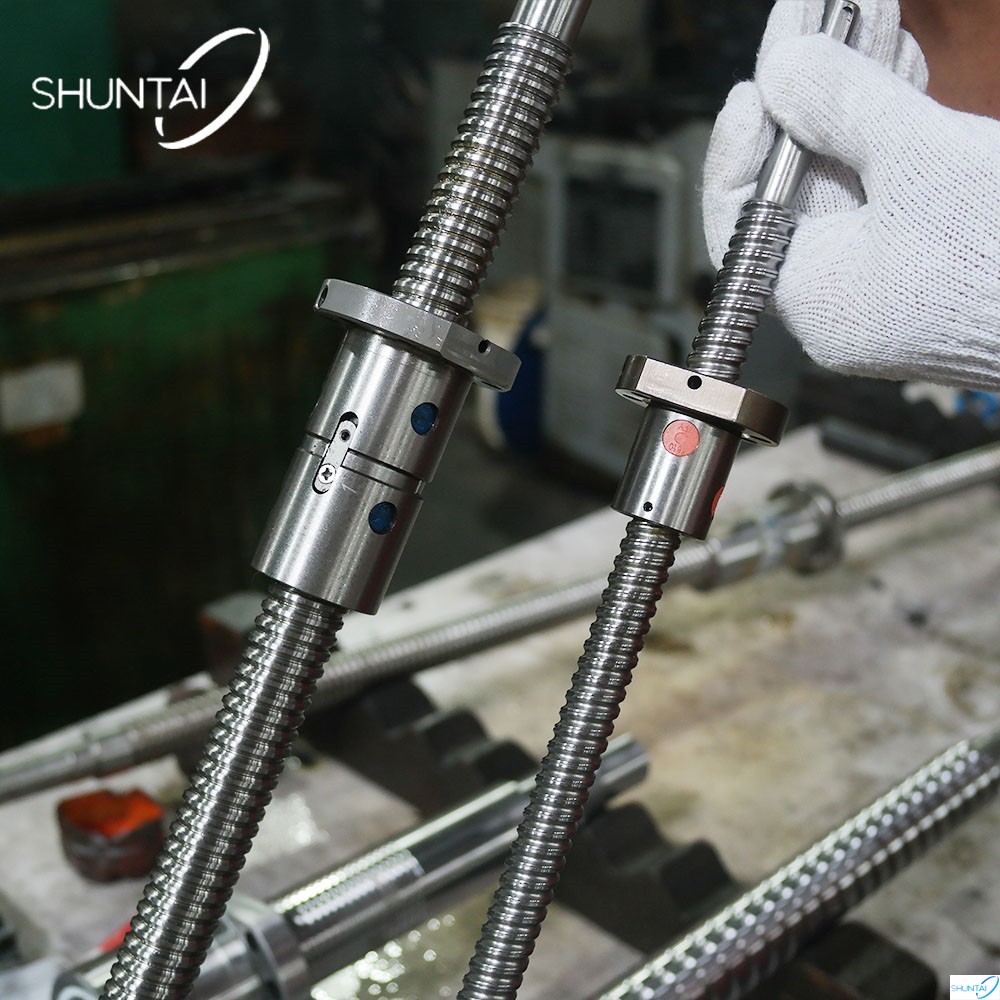
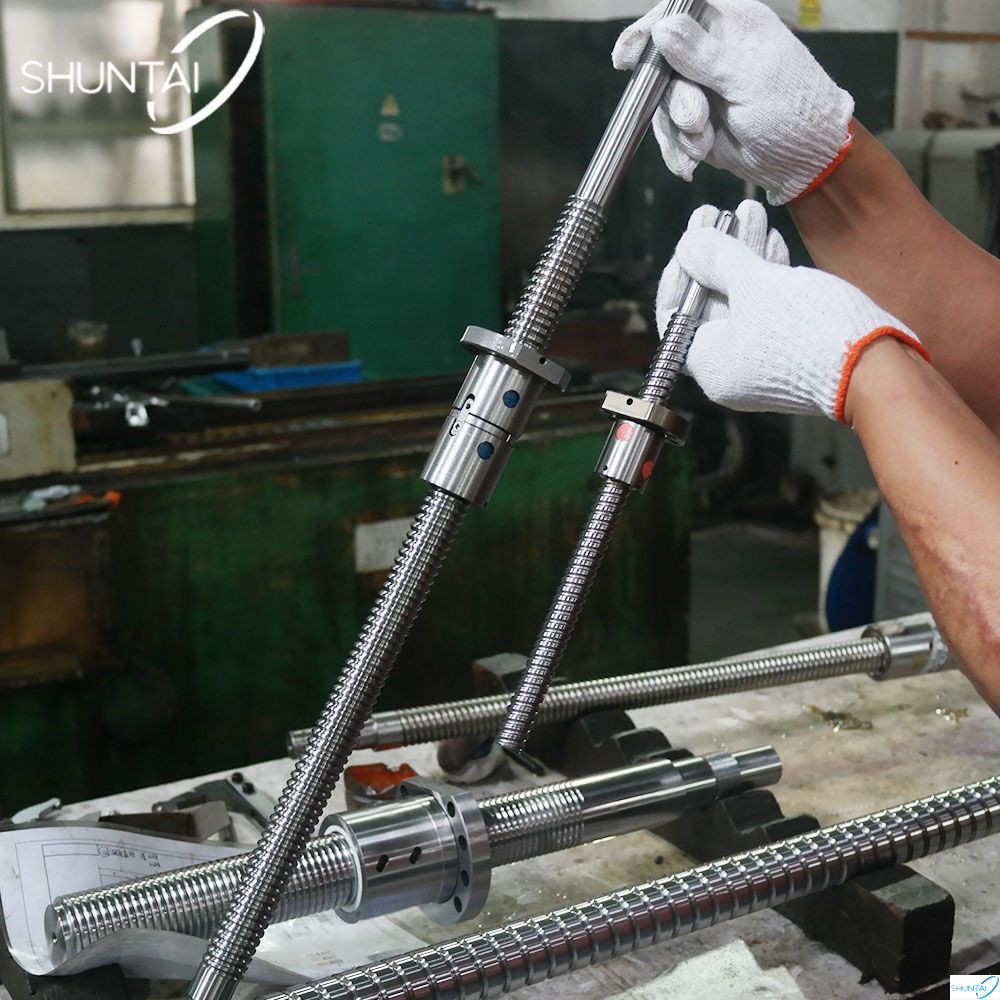
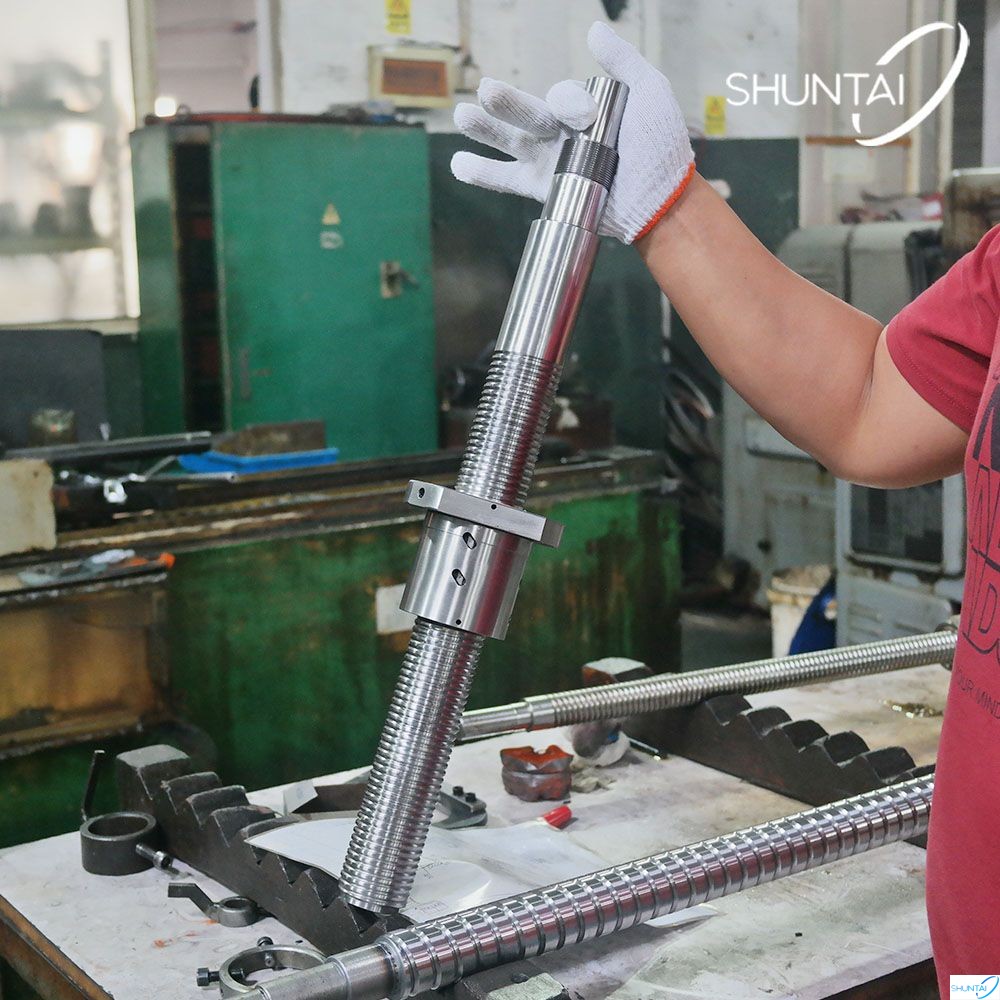

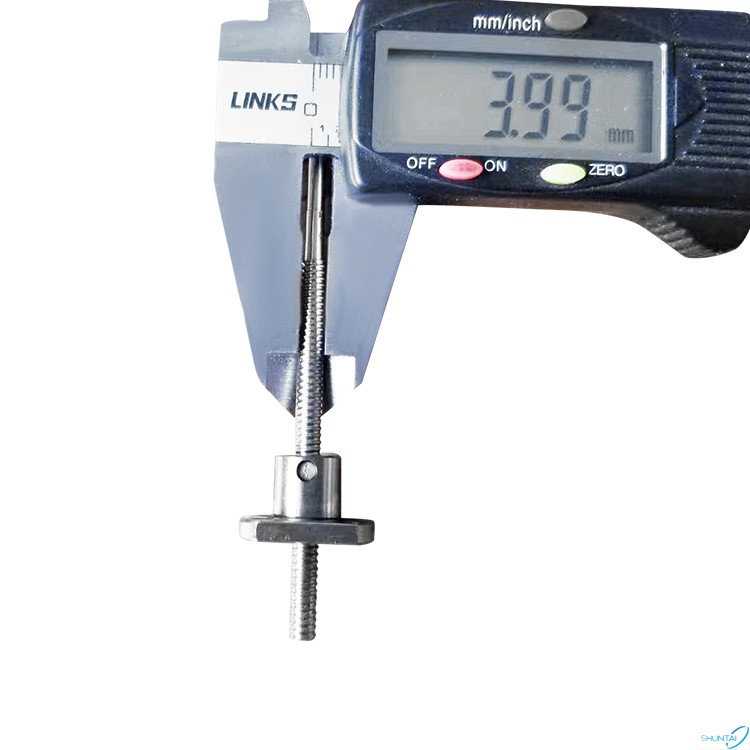
The miniature ball screw is a device used to transmit motion and force, which consists of a helical ball and a threaded guide generatrix. It usually consists of a threaded shaft and a correspondingly threaded bus bar. Product name Ball screw Model Number miniature FSB Brand Name SHUNTAI Material GCr15 Bearing steel, Steel, Bronze Manufacturing Process Rolled screw, ground screw Feature Long Operating Life Delivery 7 Days Shipping Port Shanghai
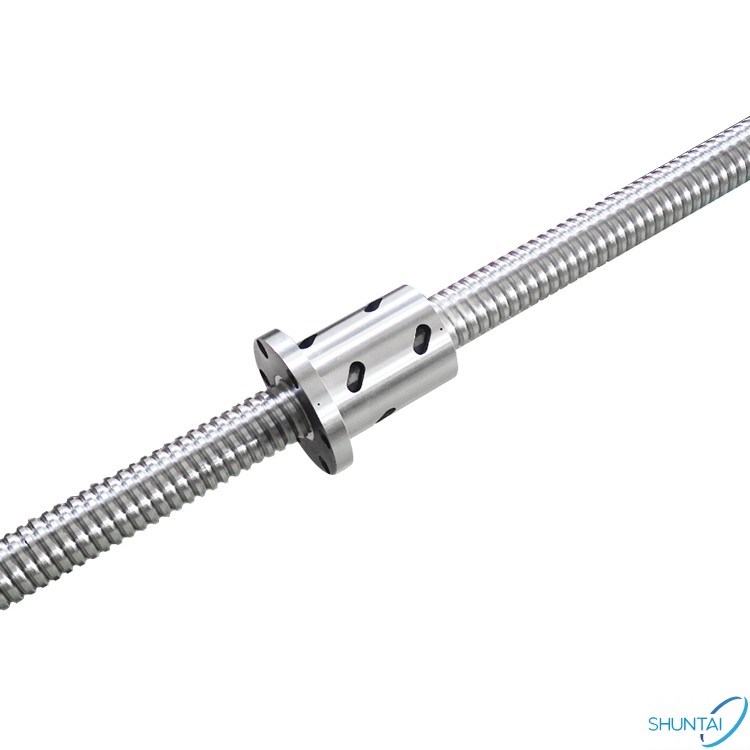
A ball screw is a device that converts rotary motion into linear motion and is commonly used in industrial machinery. It consists of a ball thread and a ball recirculating track, and the conversion of rotational motion and linear motion is realized by rolling the balls between the ball thread and the ball recirculating track Product name Ball screw Model Number SFH Brand Name SHUNTAI Material GCr15 Bearing steel, Steel, Bronze Manufacturing Process Rolled screw, ground screw Feature Long Operating Life Delivery 7 Days Shipping Port Shanghai
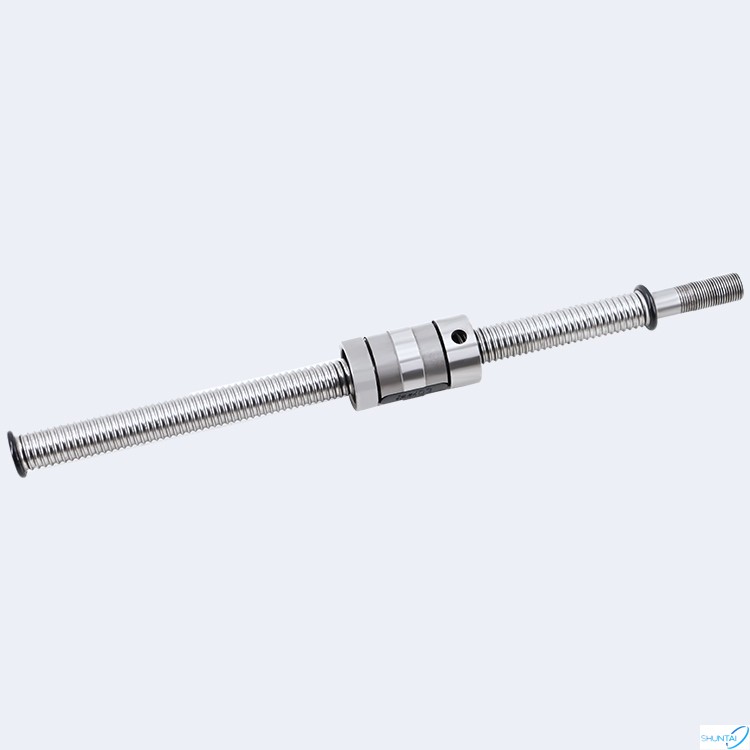
A ball screw is a device that converts rotary motion into linear motion and is commonly used in industrial machinery. It consists of a ball thread and a ball recirculating track, and the conversion of rotational motion and linear motion is realized by rolling the balls between the ball thread and the ball recirculating track Product name Ball screw Model Number SCNH Brand Name SHUNTAI Material GCr15 Bearing steel, Steel, Bronze Manufacturing Process Rolled screw, ground screw Feature Long Operating Life Delivery 7 Days Shipping Port Shanghai
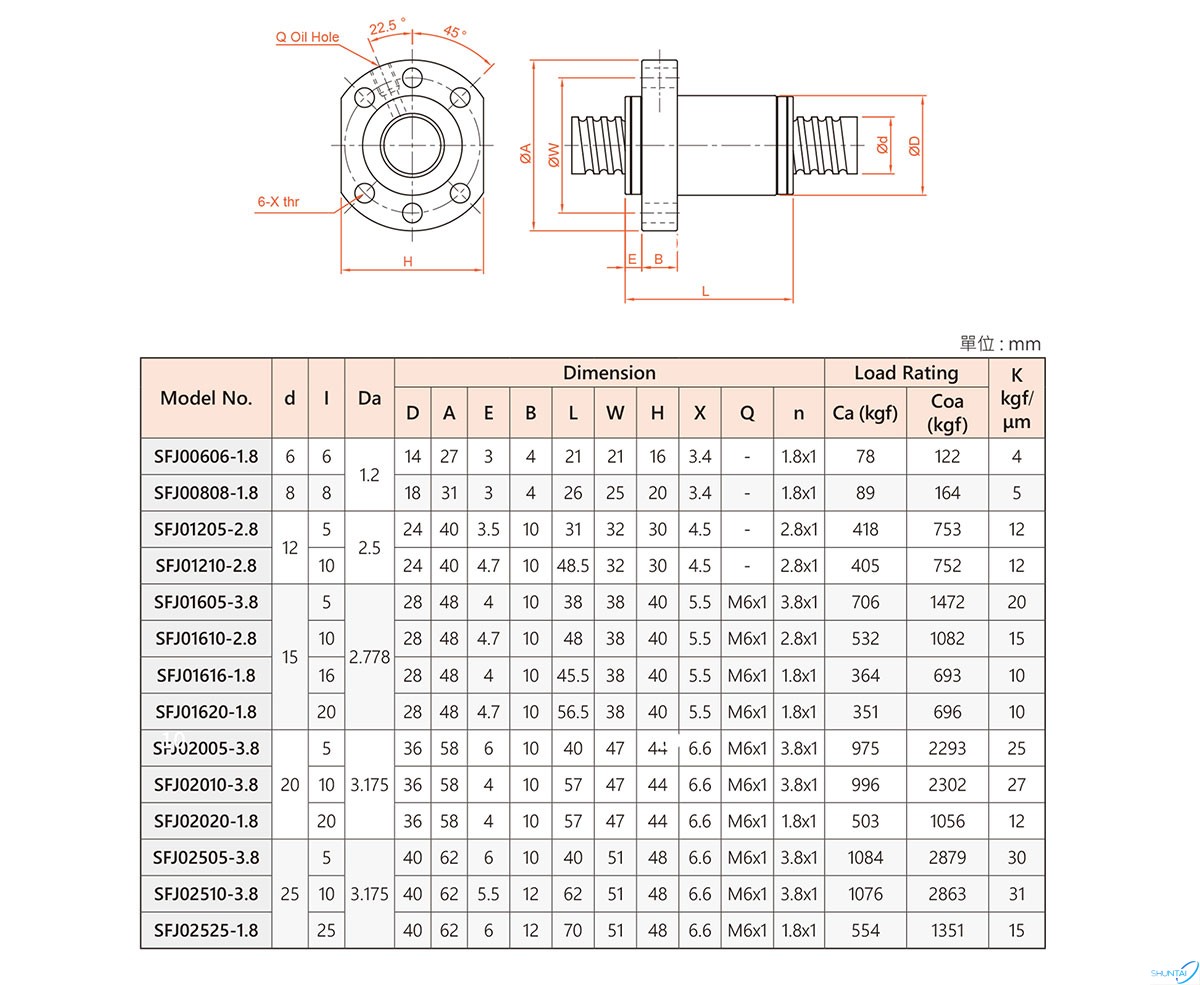
A ball screw is a device that converts rotary motion into linear motion and is commonly used in industrial machinery. It consists of a ball thread and a ball recirculating track, and the conversion of rotational motion and linear motion is realized by rolling the balls between the ball thread and the ball recirculating track Product name Ball screw Model Number SFJ Brand Name SHUNTAI Material GCr15 Bearing steel, Steel, Bronze Manufacturing Process Rolled screw, ground screw Feature Long Operating Life Delivery 7 Days Shipping Port Shanghai
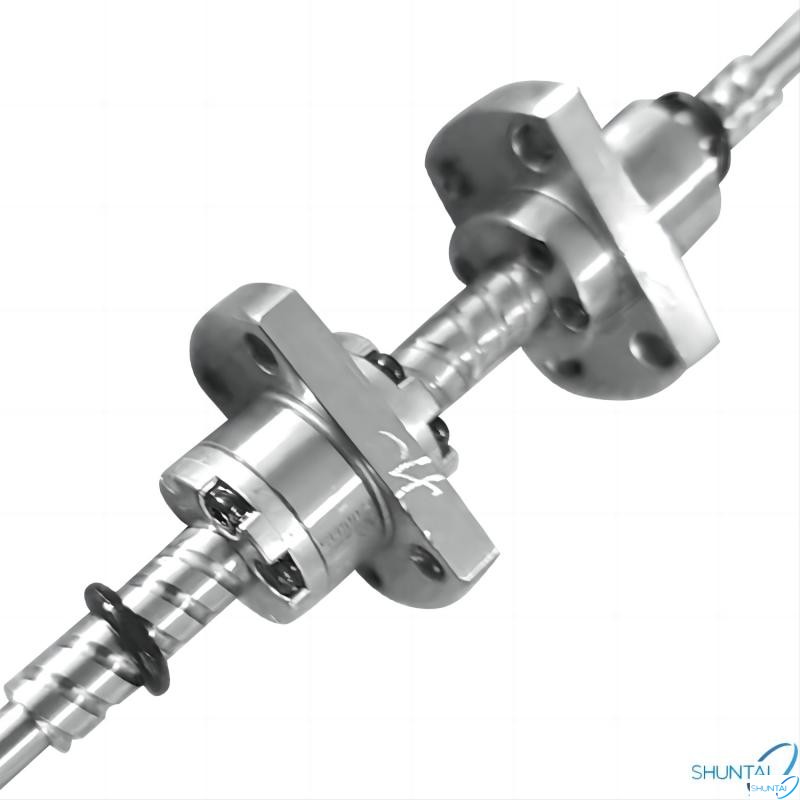
A ball screw is a device that converts rotary motion into linear motion and is commonly used in industrial machinery. It consists of a ball thread and a ball recirculating track, and the conversion of rotational motion and linear motion is realized by rolling the balls between the ball thread and the ball recirculating track Product name Ball screw Model Number SFNU Brand Name SHUNTAI Material GCr15 Bearing steel, Steel, Bronze Manufacturing Process Rolled screw, ground screw Feature Long Operating Life Delivery 7 Days Shipping Port Shanghai
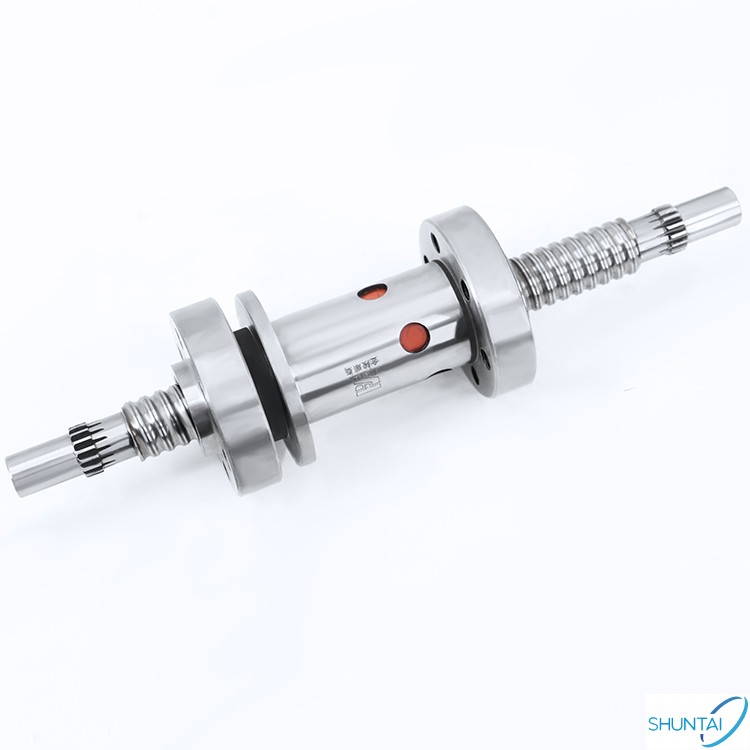
A ball screw is a device that converts rotary motion into linear motion and is commonly used in industrial machinery. It consists of a ball thread and a ball recirculating track, and the conversion of rotational motion and linear motion is realized by rolling the balls between the ball thread and the ball recirculating track Product name Ball screw Model Number OFI Brand Name SHUNTAI Material GCr15 Bearing steel, Steel, Bronze Manufacturing Process Rolled screw, ground screw Feature Long Operating Life Delivery 7 Days Shipping Port Shanghai
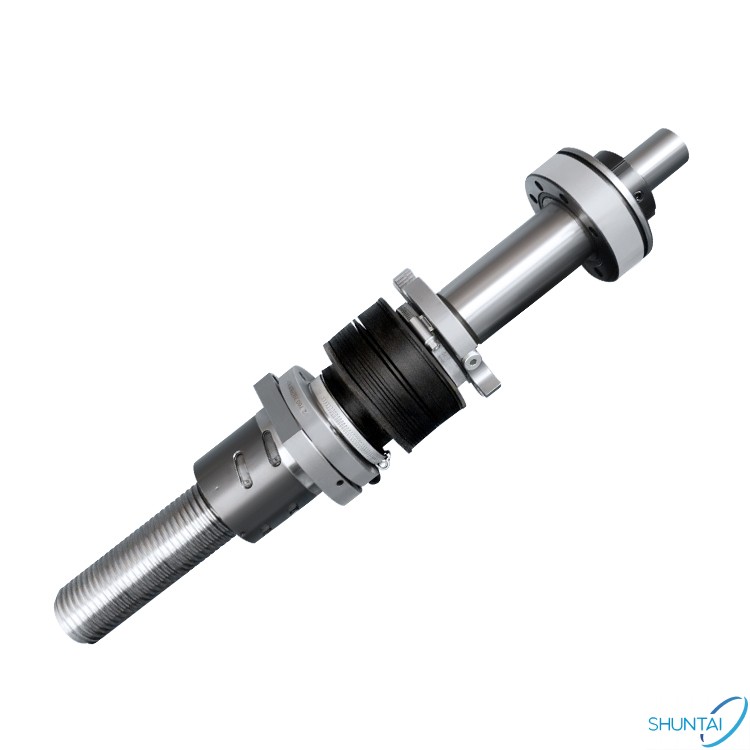
A ball screw is a device that converts rotary motion into linear motion and is commonly used in industrial machinery. It consists of a ball thread and a ball recirculating track, and the conversion of rotational motion and linear motion is realized by rolling the balls between the ball thread and the ball recirculating track Product name Ball screw Model Number SFNI Brand Name SHUNTAI Material GCr15 Bearing steel, Steel, Bronze Manufacturing Process Rolled screw, ground screw Feature Long Operating Life Delivery 7 Days Shipping Port Shanghai
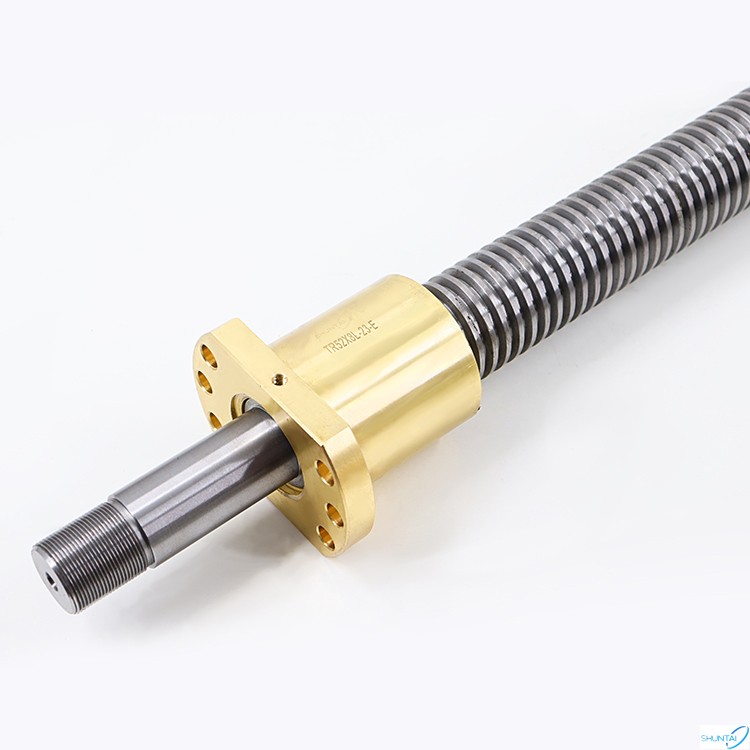
A trapezoidal ball screw is a mechanical transmission used to convert rotary motion into linear motion. It consists of a helical screw and balls that roll axially along the screw. Product name Trapezoidal screw Model Number Trapezoidal Brand Name SHUNTAI Material GCr15 Bearing steel, Steel, Bronze Manufacturing Process Rolled screw, ground screw Feature Long Operating Life Delivery 7 Days Shipping Port Shanghai

 SIGN UP FOR OUR NEWSLETTER
 IPv6 network supported